
Trust Administration in Concord, NC
Serving Successor Trustees & Beneficiaries in Cabarrus County Since 1994
Trust administration begins where trust creation ends. When a grantor dies or loses capacity, a successor trustee must step in to manage and distribute trust assets, often without any prior experience carrying out these legal and financial obligations. At Black, Boone & Brasch P.A., we’ve helped Cabarrus County families navigate estate-related legal matters since 1994, and we understand what successor trustees are actually facing when they take on this role.
Our firm is a WealthCounsel member and holds membership in the North Carolina Bar Association. Free initial consultations are available for successor trustees and beneficiaries who need to understand their next steps.
If you’ve been named a successor trustee or have questions about a trust you’re administering, contact Black, Boone & Brasch P.A. today at (980) 255-5242 to schedule your free consultation.
Trust Administration Is Not the Same as Trust Creation
Many people confuse administering a trust with creating one. Trust creation involves drafting documents and funding the trust while the grantor is alive. Trust administration is an entirely different legal situation: it begins after the grantor dies or loses capacity and requires the successor trustee to carry out the trust’s instructions under binding legal obligations.
People named successor trustee years earlier often find themselves suddenly responsible for managing assets, notifying beneficiaries, paying debts, and making distributions while also grieving. Delay in starting this process can complicate creditor issues, tax filings, and relationships among beneficiaries. Getting legal guidance early matters.
Fiduciary Duties Successor Trustees Carry Under North Carolina Law
North Carolina’s Uniform Trust Code, found in Chapter 36C of the NC General Statutes, governs trust administration throughout the state and establishes mandatory duties that no trust document can waive. A fiduciary duty is a legal obligation to act in another party’s best interest rather than your own.
The core obligations successor trustees carry include:
- Duty of loyalty: Under NC Gen. Stat. §36C-8-802, trustees must administer the trust solely in the interests of the beneficiaries, not themselves.
- Duty of impartiality: Under §36C-8-803, when a trust has two or more beneficiaries, trustees must act impartially in investing, managing, and distributing trust property, giving due regard to each beneficiary’s respective interests.
- Prudent administration: Under §36C-8-804, trustees must invest and manage trust assets with reasonable care, skill, and caution.
- Recordkeeping and accounting: Trustees must maintain clear records, prepare required accountings, and report to beneficiaries as required.
- Creditor defense: Trustees are responsible for reviewing creditor claims and defending the trust against challenges from excluded heirs.
Trustees who fail to meet these obligations can face personal liability for losses to the trust. That risk is real and shouldn’t be underestimated.
What Trust Administration Involves in Practice
Administering a trust in Concord, NC can span several months or longer, depending on asset complexity, outstanding creditor claims, and required tax filings. Successor trustees are typically responsible for the following:
- Identifying, securing, and inventorying trust assets
- Updating title on real estate and financial accounts held in the trust
- Notifying qualified beneficiaries of the trust’s existence and their rights
- Paying valid debts, expenses, and any applicable taxes
- Maintaining clear records and preparing formal accountings
- Making distributions according to the trust’s specific terms
- Closing the trust once its purpose is fulfilled
When disputes arise or no successor trustee was named in the document, the Clerk of Superior Court in the county where the trust is administered may become involved. Under Chapter 36C of the NC General Statutes, vacancies in a trusteeship are filled first by anyone designated in the trust’s own terms, then by unanimous agreement of the qualified beneficiaries, and finally by court appointment if those options aren’t available.
Why Working with a Trust Attorney Protects Everyone Involved
Successor trustees who proceed without guidance risk personal liability for breach of fiduciary duty, improper distributions, or failure to satisfy creditor and tax obligations. Beneficiaries who receive incomplete or incorrect information from an unguided trustee may have grounds to challenge distributions or seek court involvement. Both outcomes can create delays, expenses, and conflict that proper administration can help reduce.
Our attorneys can prepare required accountings, guide asset transfers, manage communications with beneficiaries, and help the trustee close the trust correctly under North Carolina law. We’ve served Concord and Cabarrus County for over 30 years, and our attorneys and staff are active members of the community we work in every day.
Start with a Free Consultation in Concord
Whether you’ve just been named a successor trustee or you’re a beneficiary trying to understand your rights, Black, Boone & Brasch P.A. is ready to help. We serve clients throughout Concord and Cabarrus County, NC, and we offer a free initial consultation so you can get clear answers before committing to anything.
Call us at (980) 255-5242 to schedule your consultation with an experienced Concord trust administration attorney.

Why Choose Black, Boone & Brasch P.A.?
-
Work With an Affordable FirmWe don't think quality legal help should break the bank.
-
Offering 100% Free ConsultsTalk through all of your legal options during a free consultation.
-
High-Net-Worth Estate PlanningHelping individuals protect and preserve their wealth.
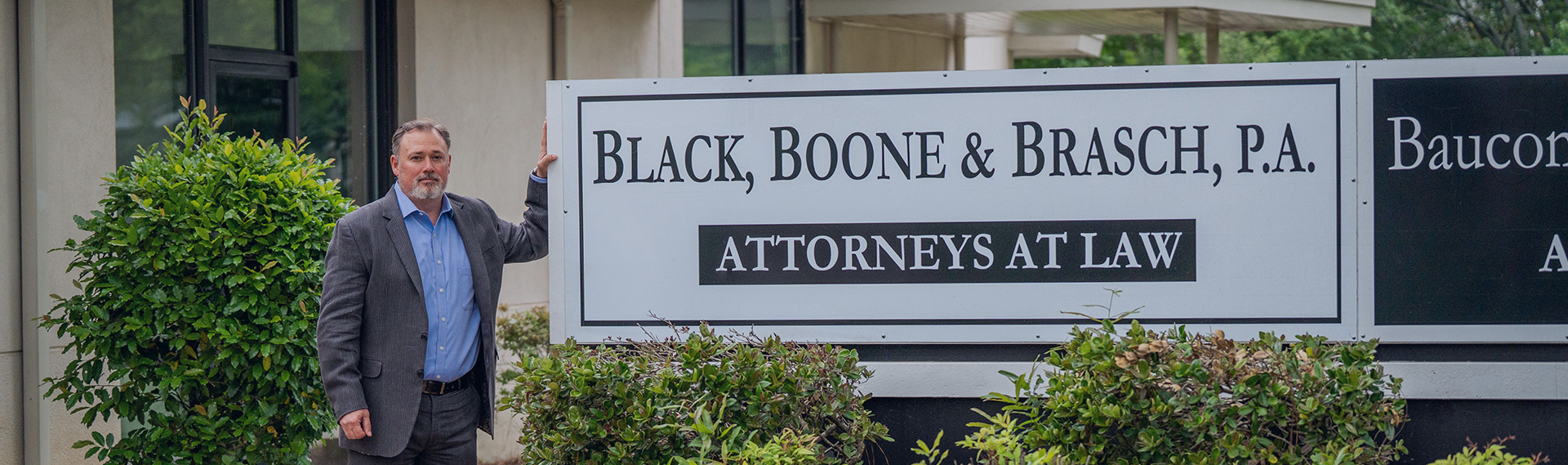
Bringing Personalized Attention & Dedication to Every Case
-
“Best attorney ever!”- Jonathan M.
-
“Very kind and easy to understand.”- Lisa M.
-
“Julia was very knowledgeable and polite. She helped with my closing on my refinance of my home.”- C C